A kidney function test (KFT, sometimes printed as RFT or Renal Function Test) checks how well your kidneys are clearing waste out of your blood. The three numbers that matter most are creatinine, urea, and eGFR. A mildly raised creatinine is common and often has a simple explanation like dehydration, a heavy gym session, or a painkiller you have been taking. A consistently raised result means your doctor will want to look further. This article explains what each value on the report actually measures, what the numbers mean at different levels, the most common causes in India, and the exact questions to carry to your appointment.
Quick answer
Your kidneys filter waste products out of your blood and pass them into urine. Creatinine is one of those waste products. It comes from normal muscle activity and gets cleared by healthy kidneys at a steady rate.
So when creatinine is high in your blood, it usually means less of it is being cleared than expected. For most Indian labs, normal serum creatinine is roughly 0.7 to 1.3 mg/dL for men and 0.6 to 1.1 mg/dL for women.
One important thing to understand before you read any further: creatinine is a late signal. The kidneys have a lot of spare capacity, and creatinine often does not rise noticeably until a significant share of function is already affected. That is exactly why the report also gives you eGFR, which is a more sensitive early measure. A creatinine that sits at the top of the normal range is worth a conversation, not a shrug.
Equally, a single high reading is not a diagnosis. Kidney numbers move with hydration, diet, exercise and medication. What matters is the trend across repeat tests, read alongside your symptoms.
What a kidney function test actually measures
Most KFT panels in India report the following. You will not necessarily have all of them, depending on what your doctor ordered.
- Serum creatinine. A waste product from normal muscle breakdown. Healthy kidneys clear it continuously, so the level in your blood reflects how well filtration is working. This is the headline number on most reports.
- eGFR (estimated Glomerular Filtration Rate). Not measured directly. It is calculated from your creatinine along with your age and sex, and it estimates how many millilitres of blood your kidneys filter per minute. It is the most useful single number for staging kidney health, and it catches problems earlier than creatinine alone.
- Blood urea (or BUN). Urea is the waste left over when your body breaks down protein. Indian labs usually report blood urea, roughly 15 to 40 mg/dL, while some report BUN (Blood Urea Nitrogen) at roughly 7 to 20 mg/dL. They are the same underlying thing measured differently, so check which one your report uses before comparing numbers with anyone.
- Uric acid. Another waste product. Raised levels are linked to gout and to kidney stones. Typical ranges are about 3.4 to 7.0 mg/dL for men and 2.4 to 6.0 mg/dL for women.
- Electrolytes (sodium, potassium, chloride). The kidneys keep these in balance. Values drifting out of range can point to how well that regulation is holding up. Potassium in particular is watched closely when kidney function is reduced.
Some panels also include serum albumin and calcium or phosphorus. If your doctor is specifically looking for early kidney damage, they may separately order a urine test for protein or albumin, which can show a problem well before blood creatinine moves at all.
Normal ranges, and why yours might look different
Reference ranges vary between labs because different machines and methods are calibrated differently. Always compare your value against the reference range printed on your own report, not against a number from the internet or from a relative whose test was done elsewhere.
As a general guide for adults at most Indian labs:
- Serum creatinine: 0.7 to 1.3 mg/dL (men), 0.6 to 1.1 mg/dL (women)
- Blood urea: 15 to 40 mg/dL, or BUN 7 to 20 mg/dL
- eGFR: 90 or above is considered normal
- Uric acid: 3.4 to 7.0 mg/dL (men), 2.4 to 6.0 mg/dL (women)
Creatinine ranges differ by sex because they track muscle mass. That same logic explains a common source of confusion: a heavily built person who trains regularly can sit slightly above the printed range with perfectly healthy kidneys, while an elderly or frail person with low muscle mass can sit inside the range despite meaningfully reduced function. Your creatinine is only interpretable in the context of your body.
What eGFR is telling you
eGFR is the number to look at if you want the clearest picture, because it is the basis for how kidney disease is actually staged internationally.
- 90 and above. Normal kidney filtration.
- 60 to 89. Mildly reduced. On its own, without any other sign of kidney damage, this is often not treated as disease, particularly with age.
- 45 to 59, and 30 to 44. Moderately reduced (stages 3a and 3b). This is the range where doctors start actively managing things: blood pressure control, medication review, and regular monitoring.
- 15 to 29. Severely reduced (stage 4). Specialist nephrology care is needed.
- Below 15. Kidney failure (stage 5). This is the range where dialysis or transplant enters the conversation.
An important caveat: staging chronic kidney disease requires the reduction to persist for at least three months. A single low eGFR during an illness, a bout of dehydration, or a vomiting episode is not the same as chronic kidney disease. This is a large part of why doctors repeat the test rather than acting on one result.
Common causes of raised creatinine in India
- Diabetes. The single largest cause of chronic kidney disease in India. Persistently high blood sugar damages the small filtering vessels in the kidney over years, usually without symptoms until quite late. If you are diabetic, kidney numbers are not a side issue, they are part of the main picture.
- High blood pressure. The second major cause, and it works in both directions. Uncontrolled blood pressure damages the kidneys, and reduced kidney function pushes blood pressure up.
- Dehydration. Very common and very often the whole explanation, especially in Indian summers, after a stomach infection, or after a long stretch without water. Less fluid means more concentrated blood and a higher creatinine reading. This kind of rise typically corrects itself once you rehydrate.
- Painkillers. Regular use of NSAIDs, the common over-the-counter pain and inflammation tablets such as ibuprofen, diclofenac and nimesulide, can reduce blood flow through the kidneys. These are widely available without prescription in India and are frequently taken for long stretches for back or joint pain without anyone tracking the total.
- Kidney stones. Common across much of India, particularly in the northern and western states. A stone obstructing outflow can raise creatinine, usually alongside pain.
- Herbal and Ayurvedic preparations. This surprises people, but some traditional formulations have been associated with kidney injury, in certain cases due to heavy metal contamination rather than the herbs themselves. Tell your doctor about every churna, kadha, bhasma and herbal tablet you take, not just prescription medicines.
- Protein and creatine supplements. Popular in gyms and a genuine source of confusion. Creatine supplementation raises measured creatinine directly, without kidney damage being involved. If you take it, say so, because the number cannot be interpreted correctly otherwise.
- Contrast dye from a recent scan. A CT or angiography using iodinated contrast can transiently affect kidney function, particularly if you were dehydrated or already had reduced function. Mention any recent scan.
- Infections and obstruction. Repeated urinary tract infections, or an enlarged prostate causing incomplete bladder emptying, can affect the kidneys over time.
Is a creatinine of 1.5 dangerous?
Not immediately dangerous, but not something to leave alone either. It is a common question because 1.5 mg/dL sits just above the usual range for most adults.
What that number means depends almost entirely on context that is not printed on the report. In a large, muscular 30-year-old who trains hard and takes creatine, 1.5 may be close to their normal baseline. In a 70-year-old woman with low muscle mass, the same 1.5 can represent a substantially larger loss of filtration, because her expected baseline is much lower. This is exactly why eGFR exists: it adjusts for age and sex and gives a far more comparable figure.
So the useful questions are: what is your eGFR alongside it, is there protein in your urine, what were your previous readings, and is this stable or climbing. A creatinine of 1.5 that has been 1.5 for three years is a very different situation from a 1.5 that was 0.9 last year.
The trend matters more than any single value. Repeat testing after a few weeks, done when you are well hydrated and have not just trained heavily, is usually the next step.
Creatinine, urea and eGFR: what the difference actually tells your doctor
These three move together most of the time, but not always, and the pattern is informative.
Urea is more sensitive to things that have nothing to do with kidney filtration. It rises with dehydration, with a high-protein diet, and with bleeding in the digestive tract, and it falls in liver disease. Creatinine is steadier and more specific to the kidneys.
So when urea is raised well out of proportion to creatinine, doctors often think first about dehydration or reduced blood flow to the kidneys rather than damage to the kidney tissue itself. When both rise together and eGFR falls, that points more toward the filtration capacity itself. Neither pattern is a rule, and neither replaces the rest of the clinical picture, but it explains why your doctor looks at all three rather than just the one that is flagged.
What your doctor will likely do next
One thing worth knowing if you are in India: you do not need to wait days to have a blood report looked at. In most cities and towns you can walk into a general physician’s clinic the same evening or the next morning and be seen within the hour. If the report is worrying you, do not sit on it over a weekend.
What usually happens:
Your doctor will ask how much water you drink, what medicines and supplements you take (including herbal ones), whether you are diabetic or hypertensive, whether you have had any recent illness, vomiting or fever, and whether you have noticed changes in how often you pass urine or any swelling around the ankles or eyes.
Based on your numbers and those answers, expect roughly the following:
- Mildly raised creatinine with no symptoms: rehydrate properly, pause any non-essential NSAIDs or supplements under their guidance, and repeat the test in a few weeks. Many mild elevations resolve on their own.
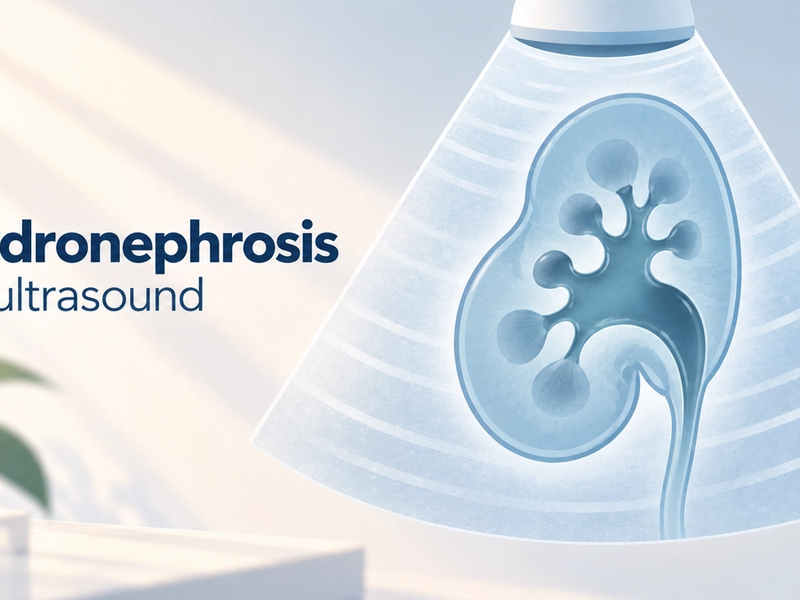
- Persistently raised across repeat tests: expect a urine test for protein or albumin (often reported as ACR, the albumin-to-creatinine ratio), an ultrasound of the abdomen to look at kidney size and structure and to rule out stones or obstruction, and blood sugar and blood pressure assessment.
- Significantly reduced eGFR: referral to a nephrologist, along with a medication review, since several common drugs need dose adjustment when filtration is reduced.
None of this is dramatic. It is a stepwise process to work out whether the number reflects something temporary or something that needs managing.
Questions to ask at your appointment
Most consultations in India are short, often five to eight minutes. Walking in with a written list is the difference between leaving with answers and leaving with more questions.
- Is my creatinine level a concern right now, or is it something to monitor?
- What is my eGFR, and what stage does that put me in, if any?
- Could dehydration, my gym routine, or a supplement explain this reading?
- Should I stop or change any of my current medicines, painkillers or herbal preparations?
- Do I need a urine test for protein, or an ultrasound?
- Should my blood pressure or blood sugar be checked or managed differently because of this?
- When should I repeat this test, and what change in the number would worry you?
- Is there anything in my diet or fluid intake I should change while we wait?
If you want that list ready before you even reach the clinic, and your full report explained value by value in plain language first, that is what FlexReport’s Engine does. Upload the report and it explains each number in simple terms, flags what needs attention, and generates a question list tailored to your actual results.
Frequently asked questions
What is the normal creatinine level in a kidney function test?
For most Indian labs, roughly 0.7 to 1.3 mg/dL for men and 0.6 to 1.1 mg/dL for women. Ranges differ slightly between labs because of different machines and methods, so always compare against the reference range printed on your own report rather than a number found online.
Can dehydration cause high creatinine?
Yes, and it is one of the most common explanations for a mildly raised reading. Less fluid means more concentrated blood and a higher creatinine value. This kind of rise usually corrects once you rehydrate properly, which is why doctors often repeat the test after a few weeks rather than acting on a single result.
Is a creatinine of 1.5 dangerous?
Not immediately, but it should be investigated rather than ignored. What 1.5 means depends heavily on your age, sex and muscle mass. In a large, muscular young adult it may be near their normal baseline; in an elderly person with low muscle mass it can represent a much larger loss of filtration. Look at your eGFR alongside it, and at whether the number is stable or climbing compared with previous tests.
What is the difference between creatinine and eGFR?
Creatinine is measured directly from your blood. eGFR is calculated from that creatinine together with your age and sex, and estimates how much blood your kidneys filter per minute. eGFR is the more useful number because it adjusts for body differences and detects reduced function earlier than creatinine alone.
Can gym supplements affect my kidney function test?
Yes. Creatine supplements raise measured creatinine directly, without any kidney damage being involved, and high-protein diets can raise blood urea. Heavy weight training in the day or two before the test can also push creatinine up temporarily. Tell your doctor and the lab if any of these apply, because the result cannot be interpreted correctly otherwise.
Do I need to fast before a kidney function test?
Usually not for kidney values alone, though many people have KFT done as part of a wider panel that does require fasting. Ask the lab when you book. What matters more for accuracy is being normally hydrated and avoiding a heavy meat meal or an intense workout in the day before the test.
Can high creatinine come back to normal?
Often, yes, when the cause is reversible. Dehydration, a painkiller that has been stopped, a supplement, or a short illness can all push creatinine up temporarily, and it typically returns to baseline once the cause is addressed. Damage that has built up over years from diabetes or uncontrolled blood pressure is more likely to be managed and slowed rather than reversed, which is why early detection matters.
Can my kidney function be reduced even if creatinine is normal?
Yes, and this catches people out. The kidneys have considerable spare capacity, so creatinine often does not rise noticeably until a meaningful share of function is already affected. This is why eGFR and a urine test for protein or albumin are useful, as both can detect a problem while blood creatinine still reads normal.
Getting your kidney report and not sure what it means?
Most people get a blood report on WhatsApp, see one value flagged in red, and start searching. That rarely ends well. You end up reading about conditions that have nothing to do with your situation and frightening yourself before anyone qualified has looked at the report.
FlexReport’s Engine reads your complete report, every value and every flag, and explains what it means in plain language against your actual numbers. Not a generic article. It tells you which values need attention, which are very likely fine, and what to ask your doctor. So instead of sitting in the clinic anxious and confused, you walk in knowing the right questions and leave with real answers.
A kidney report should not feel like reading a foreign language. FlexReport closes the gap between the report landing on your phone and the moment you actually understand it.